
June 2026
Conversations Without Words
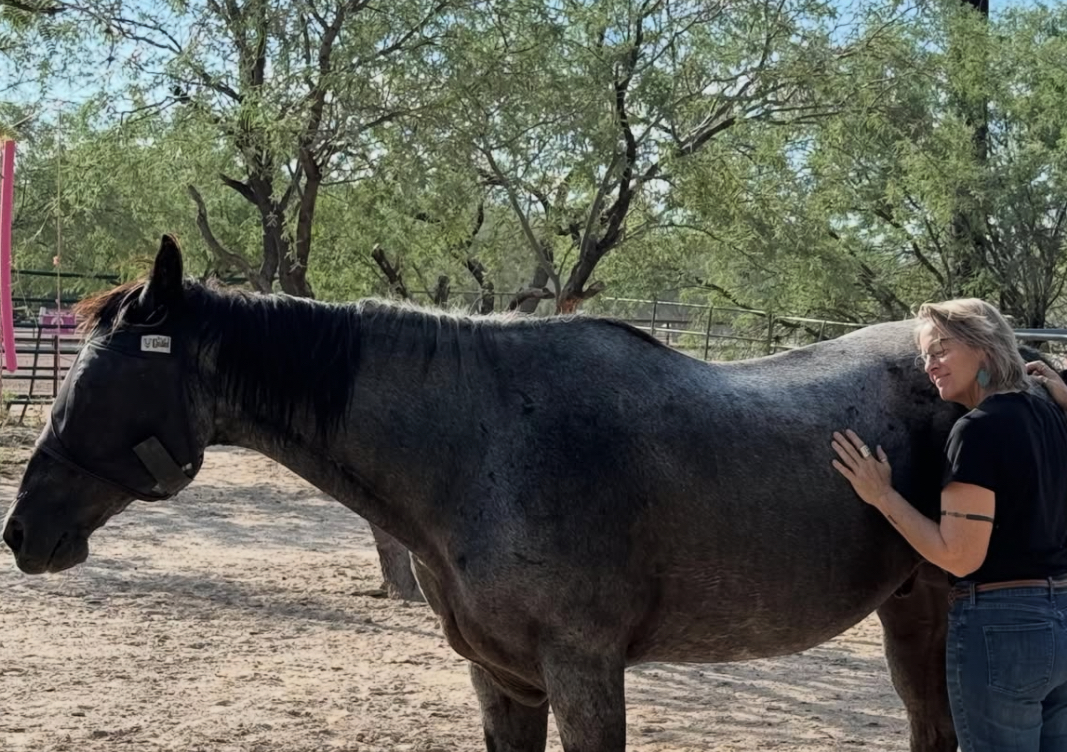
When we think of communication, our minds often jump straight to language – the conversations we have with the people around us, the texts, emails, and emojis we exchange throughout the day. But communication is so much richer than the words we choose. There's a well-known statistic, drawn from research by Albert Mehrabian, suggesting that 93% of communication is non-verbal: 55% body language, 38% tone of voice, and just 7% the actual words spoken. Scholars still debate the precision of these numbers, but the deeper truth holds; most of what we communicate, we communicate without saying a word. It happens quietly, almost invisibly. From the set of our shoulders, the pace of our breath, the way we hold ourselves as we move through the world, we're communicating nearly every waking hour, whether we realize it or not. Becoming aware of this (both what we're silently communicating and what's being communicated to us) is one of the most impactful ways we can deepen our understanding of ourselves and the world around us. It asks us to slow down enough to notice our own bodies, and to listen to others beyond their words. At Equinimity, this is something horses understand far better than we do, and they constantly teach us.
Horses live in a non-verbal world. They have no language to fall back on, no words to soften or explain away what they're feeling, and so they've become extraordinarily attuned to everything else. They can recognize our posture, sound or tone of voice, the quiet tension in a hand reaching toward them and even the rhythm of footsteps around them. A horse will know you're anxious before you've said a single word, simply because your body has already told them.
This is what makes caring for horses such a profound practice in presence. Grooming, feeding, cleaning, or even simply standing beside them aren't just activities to check off, but rather, they're the horses' version of a conversation. Every act of care is an opportunity to slow down and notice: how are you breathing? Where is the tension in your body? Is your energy calm, or is it asking the horse to mirror something unsettled? Horses respond to what we project – which means caring for them requires us to become more honest with ourselves, too. And as with any conversation, we must also bring awareness to what the other person (or in this case, the horse) is conveying to us. Perhaps, we notice the way their ears swivel toward us before we've even spoken, the soft blink or held gaze, the shift of weight from one hip to another, a tail that flicks with irritation or hangs loose with ease. These small signals are the horse's way of telling us how they're feeling in any given moment – relaxed, alert, anxious, curious. Learning to notice them is its own kind of listening. It takes patience. It takes setting aside our assumptions about what we expect to see, and simply paying attention to what's actually there.
The more we practice this kind of two-way awareness – tuning into our own bodies while also tuning into theirs – the more fluent we become in a language that has nothing to do with words at all.
Over time, this kind of attentiveness builds something precious: a relationship rooted entirely in trust earned through presence, not persuasion. We can't talk a horse into trusting us. We can only show up, again and again, with a steadiness they can feel. And in learning to read what a horse is telling us, we can start to sharpen the same instincts that serve us everywhere else: with our friends and loved ones, the rooms we walk into, the moments where words simply aren't enough.
If this kind of relationship-building with horses speaks to you, we'd love for you to join us in Holistic Equine Care for Longevity, an online class taught by Jeanie Shepherd. It's a wonderful next step for anyone curious about deepening their understanding of equine nutrition and holistic care – and, in a lot of ways, the quiet language horses speak every day. You can learn more by watching this video.